Moving commodities across countries sounds simple: buy a product, ship it, and deliver it to the buyer. In reality, global commodity movement involves many steps, including transportation, storage, customs, documentation, quality checks, insurance, risk management, and delivery coordination.
This is where Global Commodity Logistics Services become essential. These services help businesses move products such as oil, metals, minerals, grains, agricultural goods, chemicals, and other raw materials from suppliers to buyers safely and efficiently.
For companies involved in international trade, good logistics is not simply about finding a truck or booking a ship. It is about making sure the entire journey works from origin to destination.
What Are Global Commodity Logistics Services?
Global Commodity Logistics Services are professional solutions designed to manage the physical movement and handling of commodities across domestic and international markets.
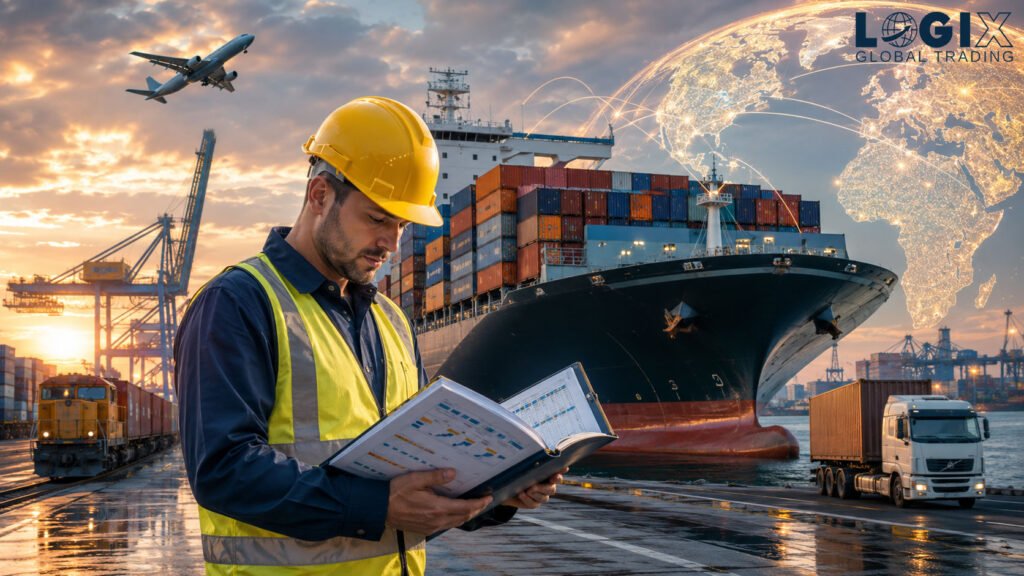
Depending on the commodity and destination, logistics can involve ocean freight, air freight, rail transportation, trucking, warehousing, customs clearance, cargo inspection, documentation, and final delivery.
For example, imagine a company buying agricultural products from South America and selling them to a food manufacturer in Asia. The commodity may need to be collected from the supplier, transported to a port, inspected, stored, loaded onto a vessel, shipped internationally, cleared through customs, moved inland, and finally delivered to the customer.
Every step creates potential costs and risks. A delay at one stage can affect the entire transaction.
Modern commodity logistics providers therefore focus on coordinating the complete supply chain rather than handling transportation as an isolated task. Industry providers commonly combine transportation, storage, procurement, risk management, and supply-chain coordination to connect producers with end users.
What Commodities Need Global Logistics?
Almost every physical commodity can require specialized logistics. Common examples include:
- Oil and petroleum products
- Natural gas and energy products
- Gold, silver, copper, and other metals
- Iron ore and industrial minerals
- Wheat, corn, rice, soybeans, and other grains
- Sugar, coffee, cocoa, and other agricultural commodities
- Fertilizers and chemicals
- Construction and industrial materials
Each commodity has different transportation, storage, handling, safety, and regulatory requirements.
For instance, agricultural products may require protection from moisture and contamination, while metals may need specialized storage and handling. Energy products can involve strict safety and regulatory requirements.
Why Commodity Trading Logistics Matter
Commodity trading does not end when a buyer and seller agree on a price.
A successful transaction also depends on whether the commodity can actually reach the buyer at the agreed time, location, quantity, and quality.
This is why “Why Commodity Trading Logistics Matter” is an important question for anyone involved in international trade.
Consider a simple example. A trader buys 10,000 tons of a commodity at an attractive price and sells it to an overseas customer. If shipping costs suddenly increase, the cargo is delayed, or the shipment misses its delivery window, the expected profit can quickly disappear.
Good logistics helps traders manage these practical challenges.
Logistics teams may coordinate:
- Freight bookings
- Vessel or container schedules
- Inland transportation
- Warehousing
- Customs documentation
- Cargo inspections
- Quality certificates
- Delivery schedules
- Shipment tracking
- Import and export requirements
Commodity trading companies increasingly integrate logistics, market information, storage, and risk management because the physical supply chain directly affects the economics of a trade.
Commodity Trading Services and Logistics Work Together
Commodity Trading Services cover much more than buying and selling commodities.
Depending on the provider, services can include sourcing, market intelligence, contract support, risk management, procurement, trade finance, logistics, storage, and delivery coordination.
The key idea is simple: trading determines what is bought and sold, while logistics helps make sure the physical commodity gets where it needs to go.
For example, a commodity trader may identify a supplier offering competitive pricing. The logistics team then determines the most practical way to transport the commodity to the buyer.
The decision may involve comparing:
- Ocean freight
- Rail freight
- Road transportation
- Warehousing options
- Port availability
- Transit times
- Customs requirements
- Insurance costs
- Handling expenses
Combining trading and logistics can help businesses make better commercial decisions because the true cost of a commodity includes more than its purchase price.
How Supply Chain Management Shapes Commodity Trading
How Supply Chain Management Shapes Commodity Trading is another important consideration for businesses operating in global markets.
Supply chain management connects purchasing, transportation, storage, inventory, documentation, and delivery into one coordinated process.
In commodity trading, this coordination can directly affect profitability.
Suppose two suppliers offer the same commodity at similar prices. Supplier A is closer to a major port with reliable shipping options, while Supplier B requires expensive inland transportation and has frequent delivery delays.
On paper, both commodities may have the same purchase price. In reality, Supplier A could be the better commercial choice because its total logistics cost is lower.
This is why supply chain information can influence trading decisions before a deal is even completed.
Effective supply chain management can help businesses:
- Reduce unnecessary transportation costs
- Improve delivery reliability
- Avoid storage problems
- Monitor inventory
- Identify potential delays
- Improve shipment visibility
- Manage supplier relationships
- Respond faster to market changes
Supply chain specialists may also use market intelligence and risk-management tools to help businesses manage price and operational uncertainty.
The Main Steps in Global Commodity Logistics
A typical commodity journey can be divided into several stages.
1. Sourcing
The process begins by identifying reliable suppliers and confirming the quantity, quality, price, and delivery terms of the commodity.
2. Transportation Planning
The logistics team selects the appropriate transportation method. Large bulk commodities may travel by ship or rail, while smaller or time-sensitive shipments may use trucks or air freight.
3. Storage and Warehousing
Some commodities need temporary storage before transportation or final delivery. Proper storage helps protect product quality and maintain inventory availability.
4. Customs and Documentation
International shipments require accurate paperwork. Incorrect documents can lead to customs delays, additional costs, or compliance problems.
5. Cargo Handling and Inspection
Quality and quantity may need to be verified before, during, or after transportation. This is particularly important for high-value or specification-sensitive commodities.
6. Shipment Tracking
Modern logistics systems can provide better visibility into cargo location and delivery progress. Real-time information allows businesses to respond more quickly when something changes.
7. Final Delivery
The final stage is getting the commodity to the buyer, processing facility, warehouse, refinery, factory, or other destination according to the agreed terms.
How to Choose a Global Commodity Logistics Provider
Choosing the right logistics partner can have a major impact on international commodity operations.
Look for a provider with:
Global network: A strong network of carriers, warehouses, customs specialists, and local partners can make international shipments easier to manage.
Commodity expertise: Different products require different handling and transportation methods.
End-to-end coordination: A provider should be able to coordinate multiple stages instead of leaving the customer to manage every supplier separately.
Technology and visibility: Shipment tracking and clear communication can help businesses identify problems early.
Regulatory knowledge: International commodity movements involve different customs, trade, and compliance requirements.
Risk-management capabilities: Good planning can help businesses prepare for freight delays, changing costs, port congestion, and other disruptions.
The Future of Global Commodity Logistics
The future of commodity logistics is becoming increasingly digital and data-driven. Businesses are using better tracking, analytics, automation, and supply-chain technology to improve visibility and control costs.
Automation is also becoming more important across logistics operations as companies look for ways to improve efficiency and manage rising operating costs.
At the same time, global commodity markets remain exposed to weather, geopolitical events, freight disruptions, changing regulations, and shifts in supply and demand. This makes flexible logistics planning more important than ever.
Final Thoughts
Global Commodity Logistics Services are the backbone of physical international commodity trading. From sourcing and transportation to warehousing, customs, tracking, and final delivery, every step can influence the cost, timing, and success of a transaction.
For companies buying or selling commodities internationally, logistics should not be treated as an afterthought. Commodity Trading Services and supply chain management work together to connect suppliers with buyers and keep physical goods moving.
Ultimately, understanding Why Commodity Trading Logistics Matter and How Supply Chain Management Shapes Commodity Trading can help businesses make smarter purchasing decisions, reduce avoidable costs, manage risks, and deliver commodities more reliably around the world.