
Commodity Trading Logistics: What It Is and Why It Matters
Commodity trading logistics covers the full physical movement of goods from producer to buyer. Learn how logistics shapes costs, timing, and competitive advantage in global trade.
6/30/20265 min read
What Is Commodity Trading Logistics?
When people hear 'commodity trading,' the mental image tends to be a trading floor. Screens. Bid ask spreads. Futures contracts. The physical reality is far more demanding. A trade does not end when both parties sign. It ends when the cargo arrives at its destination in the specified condition, at the specified time, with the full documentation stack in order.
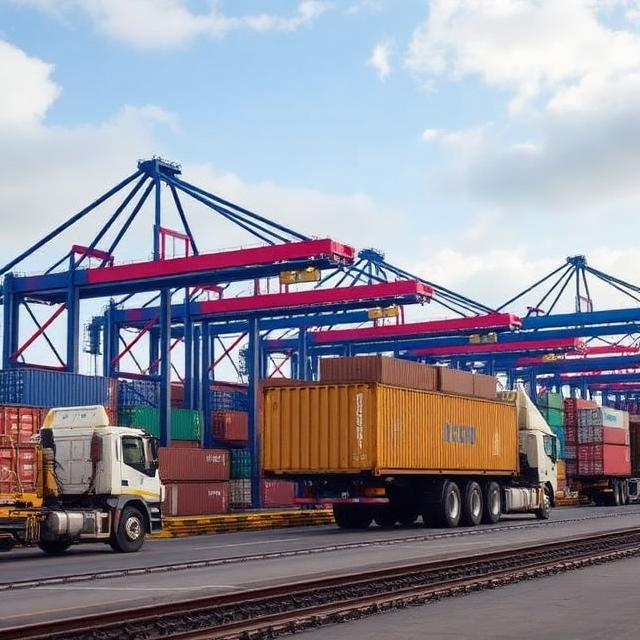
Commodity trading logistics covers the entire physical journey of a commodity from its origin to the buyer. The scope includes ocean, road, rail, and pipeline transportation; warehousing and storage at origin, transit, and destination points; customs clearance and trade documentation; cargo inspection and quality certification; insurance and cargo risk management; and demurrage and laytime monitoring throughout the voyage.
This is fundamentally different from consumer goods logistics. Volumes in commodity trade are enormous. Delivery windows are tight. Prices shift faster than a vessel can change course. A logistics failure does not just create inconvenience. It can erase the margin on a trade entirely, or create a contractual default with serious financial consequences.
Why Logistics Is Central to Commodity Trade Execution
There is a tendency to treat logistics as a support function. In commodity trading, it is not. The best trading operations treat logistics as a core trading discipline, and the margin math makes that clear.
Consider how margin is built in a basic commodity trade. A trader buying crude oil free on board in West Africa and selling it cost insurance and freight in Rotterdam is working the spread between those two prices. That spread has to absorb freight costs, insurance, port fees, inspection costs, and financing charges. What remains is the margin. Logistics execution quality determines how much of that spread the trader actually keeps.
According to data from the UNCTAD Review of Maritime Transport, commodity shipping costs can represent five to fifteen percent of a commodity's final value depending on route, volume, and market conditions. On thin margin trades, that is not a cost center. That is the entire business.
The Components of a Full Cycle Commodity Logistics Operation
A properly managed commodity logistics chain operates across several interconnected components. Each one creates risk if mishandled.
Freight and Vessel Management
For seaborne commodities, which represent the dominant share of global physical trade, vessel selection, charter negotiation, and laycan management are critical. A trader who cannot hit the laycan window at the load port faces demurrage charges that start accumulating immediately. On a large bulk cargo, a single day of demurrage on a capesize vessel can cost tens of thousands of dollars.
Warehousing and Storage
Not every commodity moves directly from origin to destination. Sugar waits in port warehouses. Metals sit in London Metal Exchange approved storage. Agricultural products require temperature controlled environments during transit. Storage decisions affect cost, quality preservation, and position management simultaneously. They are logistics decisions with direct trading implications.
Documentation and Customs Clearance
Bills of lading, certificates of origin, phytosanitary certificates, letters of credit. The documentation stack in international commodity trade is substantial, and errors are expensive. A single discrepancy in a letter of credit can delay a payment cycle by weeks. Customs holds at a destination port create demurrage costs and delivery failures that ripple back through the entire trading relationship.
Inspection and Quality Control
Commodities are not fungible in practice, even when they are treated as such in pricing. A cargo of ICUMSA 45 sugar that arrives as ICUMSA 100 is not what the buyer contracted for. Independent surveyor certification at loading and discharge gives both parties verifiable quality evidence and provides protection in the event of a quality dispute. For commodities with tight quality specifications, inspection is the mechanism that makes delivery contractually enforceable.
Multimodal Logistics as a Competitive Differentiator
For the most demanding commodity routes, particularly those involving landlocked origin points or multiple transshipment hubs, multimodal logistics capability is what separates traders who can execute from those who cannot.
Multimodal means combining sea, road, and rail transport to get the best performance on each leg of the journey. A copper concentrate shipment from a mine in Central Africa to a smelter in Asia might move by truck to a railhead, by rail to a coastal port, by bulk vessel across the Indian Ocean, and then by barge to a final inland delivery point. Each leg requires specific expertise and counterparty relationships to execute properly.
The International Chamber of Commerce Incoterms framework, updated in 2020, defines responsibility allocation between buyer and seller at each stage of a trade. It does not manage the logistics itself. That remains the work of traders and logistics operations who understand the infrastructure realities of each corridor.
Risk Management in Commodity Logistics
Commodity logistics is also risk management. Weather disruptions at origin ports, congestion at transit hubs, force majeure events, and geopolitical route disruptions can all affect delivery timelines and trade economics. The companies that absorb these disruptions without losing trades are those that plan for them in advance rather than reacting after the fact.
Scenario planning, route diversification, and contractual demurrage protections are all standard tools. The deeper capability is speed of response. Knowing about a disruption early enough to act on it is what makes the difference between a rerouted cargo and a failed delivery.
About Logix Global Trading Logix Global Trading provides full cycle commodity trading logistics services across energy, metals, agriculture, chemicals, and building materials, operating across trade corridors in Asia, Africa, the Middle East, and Europe. Services include vessel and freight arrangement, multimodal route management, cargo inspection coordination, customs documentation, insurance, and real time trade visibility across the physical supply chain.
Frequently Asked Questions
What does commodity trading logistics actually involve?
It covers the full operational process of physically moving a commodity from origin to destination. That includes vessel or freight arrangement, storage and warehousing, customs clearance, cargo inspection, insurance, and trade documentation. Every step between the origin loading point and the final buyer's facility falls within commodity logistics.
How does logistics affect commodity trading margins?
Directly and significantly. Freight costs, demurrage charges, port fees, storage costs, and insurance all come out of the spread between buying price and selling price. For thin margin commodities, logistics execution quality can be the difference between a profitable trade and a loss.
What is full cycle commodity logistics?
Full cycle logistics means managing the entire physical journey of a commodity from procurement and origin loading through to final discharge and delivery as one coordinated operation, rather than outsourcing each leg to separate parties with no coordination between them.
Why is real time tracking important in commodity logistics?
Because commodity markets move constantly, and so do the economics of a trade in transit. Real time tracking lets traders know exactly where their cargo is, whether it is on schedule, and what interventions might be needed. That information supports both operational and commercial decision making.
What is the difference between logistics and supply chain management in commodity trading?
Logistics is the physical movement and storage layer, covering freight, vessels, warehouses, and customs. Supply chain management is broader, covering sourcing, procurement, risk management, and coordination across the entire network from original producer to final consumer. In practice, the two are deeply interconnected in commodity trading.
Contact
Phone
© 2026. All rights reserved.
Services
Products
Trading
Project management
Logistics
Energy & fuels
Metals & Minerals
Agricultural commodities
Chemicals & Plastics
building materials
uzair@logixglobaltrading.com